
How to Build A Wooden Gate is a search phrase often used by homeowners who want to understand what goes into a well-made gate before deciding whether to build one themselves or commission a professional. In most cases, it reflects a desire to avoid common problems such as sagging, twisting, or gates that look good briefly but fail within a few seasons.
This page explains how a wooden gate should be built in principle, without turning into a DIY instruction sheet. It focuses on structure, materials, planning, and artistry so you can judge quality properly, compare suppliers with confidence, and make informed decisions before requesting a quote or arranging a measuring visit.
What You Should Expect From A Professional How To Build A Wooden Gate Service
A professional service that understands how to build a wooden gate properly should begin by discussing the gate’s purpose and intended use. A gate used several times a day needs a very different build approach from one that is opened occasionally.
You should expect careful consideration of size and proportion. Width and height directly affect strength, and these decisions should be made before design details are discussed.
Material selection is a core part of the process. A well-built wooden gate uses timber suited to outdoor use, with attention to moisture content, grain direction, and long-term stability.
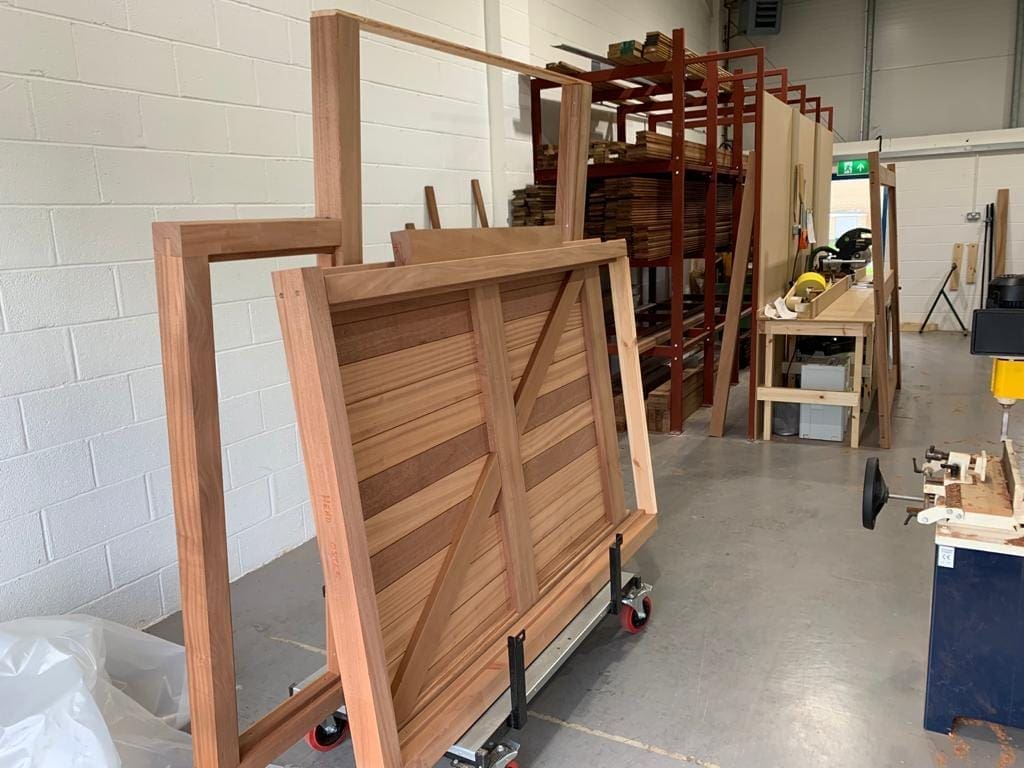
Construction methods should be explained clearly. Proper framing, bracing, and jointing are what set a lasting gate apart from one that twists or sags over time.
A professional service should also consider how the gate will be supported. Posts, hinges, and fixings are part of the build outcome, not separate afterthoughts.
How To Compare Options Properly
When comparing approaches to building a wooden gate, it helps to look beyond surface appearance and focus on structure.
Start by comparing frame design. Gates built with a full perimeter frame and internal bracing generally hold their shape far better than ledged-only designs.
Timber thickness matters. Thicker sections add strength and reduce movement, particularly on wider gates.
Look at how boards are fixed to the frame. Fixing methods influence how timber expands and contracts with the seasons.
Treatment and finishing should also be compared carefully. Factory-applied finishes often perform differently from site-applied treatments, which affects maintenance schedules.
Comparing like-for-like helps avoid choosing a cheaper option that reduces structural integrity rather than visible features.
Common Mistakes And Red Flags
One common mistake when attempting to understand how to build a wooden gate is underestimating timber movement. Wood expands and contracts naturally, and gates must be built to accommodate this.
Another issue is insufficient bracing. Gates without proper diagonal support often sag within months.
Poor timber choice is another red flag. Softwood not suited to external use, or timber that has not been adequately dried, often leads to early failure.
Vague explanations are also a warning sign. If a supplier cannot clearly explain how the gate is constructed, it becomes difficult to trust longevity claims.
Ignoring post strength is another frequent problem. Even a well-built gate will fail if posts are undersized or poorly installed.
What A Good Quote Or Proposal Should Look Like
A good proposal for building a wooden gate should clearly describe the gate’s construction. This includes overall size, frame thickness, and timber type.
You should see details about how the gate is braced and joined. These elements are key to long-term performance and should not be glossed over.
Finish and treatment should be specified. This includes whether the gate is supplied pre-treated, painted, or left ready for finishing.
Post specification and hinge details should be included. The strength of its supports must match the gate’s build quality.
Timescales should be realistic. Quality wooden gates take time to build correctly.
Any exclusions should be stated clearly to avoid assumptions.
Questions To Ask Before You Book
Before committing to a service for building a wooden gate, it is sensible to ask questions that reveal the build quality and experience.
-
What timber is used and why it suits outdoor use
-
How is the gate framed and braced to prevent sagging?
-
How is timber movement accounted for in the design?
-
What thickness are the main frame sections
-
How is the gate finished before installation?
-
What posts and hinges are used to support the gate
-
How will the gate be adjusted after installation?
-
What maintenance will be required over time?
-
How long should the gate last with regular care
Clear and detailed answers usually indicate a professional approach.
What The Process Usually Looks Like
A professional approach to building a wooden gate typically follows a structured process.
-
Initial discussion about usage, size, and layout
-
Accurate measuring and planning
-
Construction of the gate using suitable materials
-
Installation with careful alignment and adjustment
This sequence helps ensure the gate performs as intended from day one.
Aftercare And Ongoing Support
Aftercare is a critical part of owning a wooden gate. Timber responds to weather, temperature, and moisture over time.
You should receive guidance on when to re-treat or repaint the gate to maintain protection and appearance.
Hinges and fixings may need occasional adjustment as materials settle. This is normal and should be anticipated.
Ongoing support adds reassurance. Knowing who to contact if alignment changes or finish maintenance is needed helps protect your investment.
Wooden Gate Makers regularly advise homeowners on realistic aftercare expectations so gates continue to look good and function properly.
Next Steps For How To Build A Wooden Gate Decisions
Once you understand the principles behind how to build a wooden gate correctly, the next step is to apply that knowledge to your own property.
Measure the opening carefully, consider how often the gate will be used, and think about exposure to weather and ground conditions.
It is also helpful to decide whether your priority is appearance, durability, or minimal maintenance, as these factors influence build choices.
From there, a clear proposal can be prepared that reflects sound construction, appropriate materials, and long-term performance rather than short-term appearance.
Find Out More
If you are exploring how to build a wooden gate and want clear, professional advice tailored to your property, you can start by sharing a few details about your opening and usage needs. From there, a measuring visit or quotation can be arranged to discuss suitable options in detail.
0 Comments